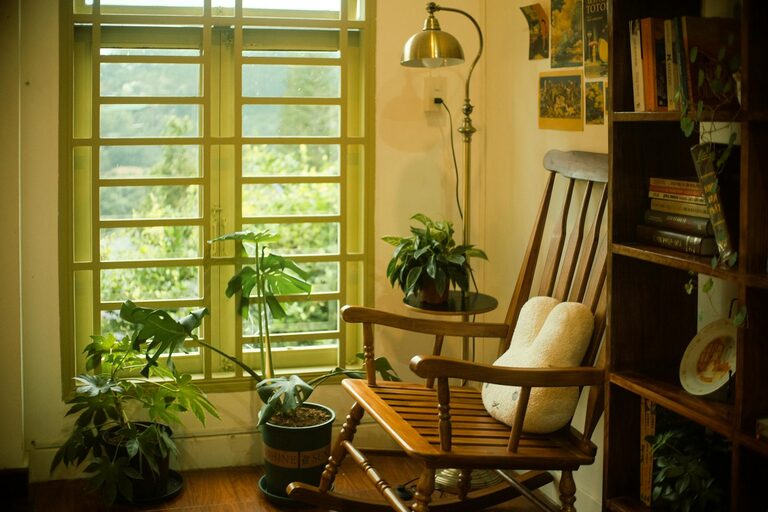
Creating a relaxing outdoor garden space at home can turn your backyard or patio into a personal retreat where you can unwind, connect with nature, and enjoy quiet moments. Whether you have a small balcony or a large yard, designing a serene garden area is achievable with some thoughtful planning and creativity. In this post, we’ll explore practical tips to help you build a calming outdoor garden space tailored to your style and needs.
Why Create a Relaxing Garden Space?
Spending time outdoors has many benefits, including reducing stress, improving mood, and boosting overall well-being. A peaceful garden can serve as a sanctuary from the busy pace of life—where you read a book, practice meditation, or enjoy time with loved ones. Thoughtful design and plant choices can make your garden inviting year-round.
Start with a Clear Plan
Before planting or decorating, take some time to plan your outdoor space.
– Assess your area: Measure your garden size and note sunlight patterns, wind exposure, and soil type. Understanding the environment helps determine which plants and features will thrive.
– Define your purpose: Decide if your garden will be a quiet retreat, a social space for gatherings, or a mix of both.
– Sketch a layout: Draw a simple map, marking paths, seating areas, and planting zones.
Choose Comfortable Seating
A relaxing garden needs comfortable seating where you can spend time leisurely.
– Options include benches, lounge chairs, hammocks, or cushions on the ground.
– Consider weather-resistant materials such as teak, metal, or treated wood for durability.
– Add cushions and throws to increase comfort.
– Place seating in shaded areas or provide shade with umbrellas or pergolas.
Incorporate Soothing Elements
Certain features can enhance relaxation by engaging your senses.
Water Features
– A small fountain, birdbath, or pond adds gentle sounds of flowing water that can soothe and mask unwanted noise.
Natural Sounds and Wildlife
– Plant flowers and shrubs that attract birds and butterflies.
– Include wind chimes for gentle sounds on breezy days.
Fragrant Plants
– Lavender, jasmine, rosemary, or gardenias provide calming scents to your garden space.
Use Plants Wisely
Plants are at the heart of any garden and can influence both the look and feel of your space.
Select Easy-to-Care-For Plants
– Opt for low-maintenance plants that suit your climate and soil conditions.
– Perennials like hostas, daylilies, or ornamental grasses return year after year with little effort.
Mix Colors and Textures
– Combine plants with varied leaf shapes and colors to create visual interest without overwhelming the senses.
Create Privacy with Greenery
– Use hedges, tall grasses, or trellises with climbing plants like clematis or ivy to screen your garden from neighbors and add to the feeling of seclusion.
Design Pathways and Zones
Clear paths and distinct zones can make your garden easier to navigate and more inviting.
– Use gravel, stepping stones, or wood chips to define walkways.
– Separate seating areas from planting beds to protect your plants and keep the space tidy.
– Consider placing a small table nearby for drinks or books.
Add Personal Touches
Your garden should reflect your personality and make you feel at ease.
– Decorate with garden art, lanterns, or fairy lights for evening ambiance.
– Use colorful pots or unique planters to express your style.
– Include a small herb garden or vegetable patch if you enjoy gardening for food.
Maintain Your Garden Regularly
Regular upkeep will keep your outdoor space pleasant and inviting.
– Water plants as needed and remove weeds promptly.
– Prune dead or overgrown branches to maintain shape and promote healthy growth.
– Clean furniture and tidy up fallen leaves or debris.
– Refresh mulch and check irrigation systems seasonally.
Mind the Lighting
Proper lighting lets you enjoy your garden even after the sun sets.
– Use solar-powered garden lights along paths for safety.
– Hang string lights or place lanterns near seating areas for a cozy atmosphere.
– Spotlights can highlight special plants or features.
Consider Seasonal Changes
Plan your garden to offer interest throughout the year.
– Choose a mix of evergreen and deciduous plants.
– Include bulbs like tulips and daffodils for spring color.
– Add shrubs with colorful berries or interesting bark for winter appeal.
Final Thoughts
Creating a relaxing outdoor garden space is about balancing beauty with comfort and functionality. With careful planning, thoughtful plant choices, and cozy features, your garden can become a favorite spot to relax and recharge. Start small, and let your space evolve naturally as you discover what makes you feel most at peace outdoors.
Enjoy the process of designing your garden sanctuary—it’s a rewarding way to connect with nature and bring calm to your everyday life.
About the Author